
How Often Should You Cut, Color & Trim Your Hair? (2026 Stylist Guide)
How often do you actually need to come in? A Hottie Hair co-founder lays out the real maintenance cadence for haircuts (6–12 weeks by style, bangs 3–4), color (root 4–6 weeks, balayage 12–16), treatments, and extension move-ups — plus why staying on schedule almost always costs less than waiting.
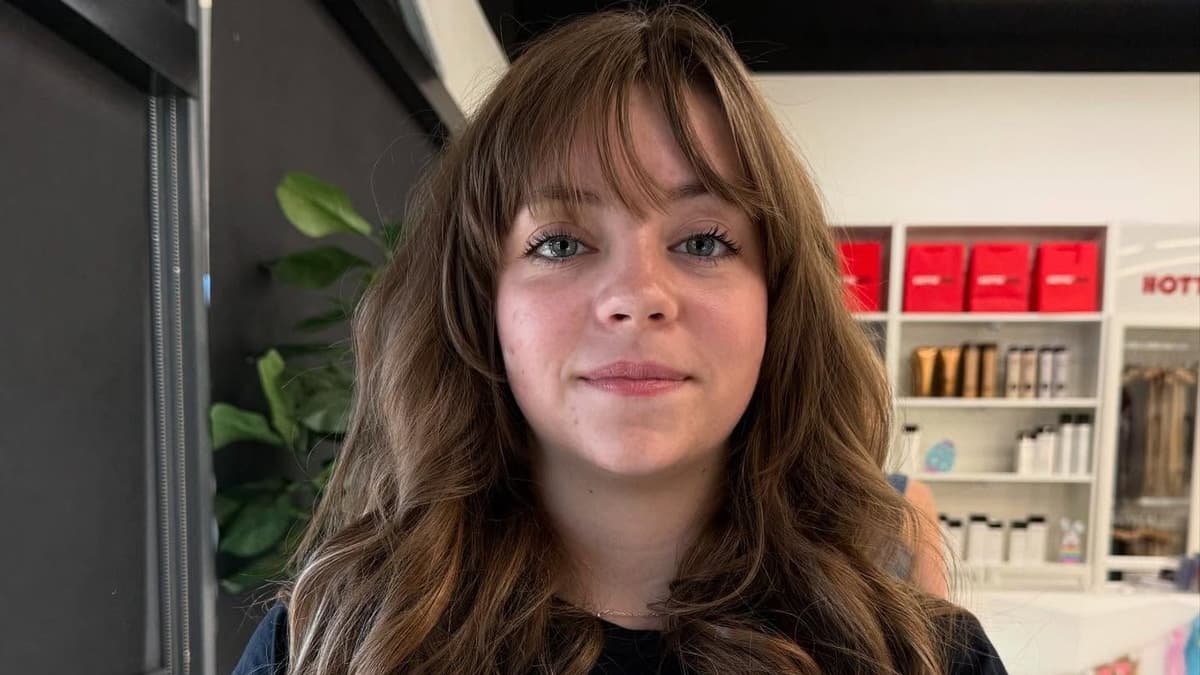
By Crystal Frehner, Hottie Hair co-founder. "How often do I actually need to come in?" is one of the most common questions we get, and the honest answer is that it depends on the service and your goals — but there are real, usable ranges. Here's the cadence for haircuts, color, trims, treatments, and extensions, plus why coming in on schedule almost always costs less than waiting.
Every hair service has a maintenance rhythm. Push it too far and you don't save money — you usually spend more fixing what grew out, faded, or got damaged. Here's how often to book each one, why, and how to set a schedule that fits your hair and your budget instead of guessing.

Bangs need a trim every 3–4 weeks; a layered cut every 8–12. Your cut's shape decides your cadence — here's the full breakdown.
The 30-Second Answer
- Haircut: every 6–12 weeks depending on style (short/precise = sooner, long/layered = later). Bangs every 3–4 weeks.
- Root color / gray coverage: every 4–6 weeks. Highlights/balayage: every 8–16 weeks (balayage stretches longest).
- Toner / gloss refresh: every 4–8 weeks (it fades first). Smoothing treatment: every 10–12 weeks.
- Extension move-ups: every 6–12 weeks by method (see our move-up guide).
- On-schedule almost always costs less than waiting and needing a bigger fix. Not sure of your rhythm? Book a free consult or call (702) 979-4468.
How Often to Get a Haircut
There's no single number — your cut's shape decides the cadence, because that's what determines how quickly it looks grown-out. Here's the rule of thumb:
| Cut | How often | Why |
|---|---|---|
| Pixie / short precise cut | Every 4–6 weeks | The shape relies on exact lengths; grows out fast |
| Bob / lob | Every 6–8 weeks | Keeps the clean line and weight |
| Long layers / lived-in | Every 8–12 weeks | Forgiving shape; mostly maintaining ends |
| Bangs (any cut) | Every 3–4 weeks | Grow into your eyeline quickly |
| Growing it out | Every 10–12 weeks | Dusting ends keeps it healthy while you grow |
A common myth is that you should skip haircuts entirely to grow your hair faster. Split ends travel up the strand, so neglected ends actually break off and can leave you no longer — a light "dust" of the ends every 10–12 weeks keeps length while you grow. A full haircut at Hottie Hair runs $53–$103 by length; a Quick Dry Trim (just cleaning up the shape, no shampoo/style) is $53 and perfect for between full cuts. For what actually makes a great cut, see our best haircut in Las Vegas guide.
How Often to Color
Color cadence depends entirely on the technique, because what drives you back is how visible the regrowth or fade is.

Hand-painted color like balayage is designed to grow out softly — which is why it needs refreshing far less often than root-to-tip foils.
- Root color / gray coverage: every 4–6 weeks. There's a hard line where new growth meets colored hair, so single-process color needs the most frequent upkeep — especially for full gray coverage.
- Traditional foil highlights: every 6–10 weeks. Foils start at the root, so regrowth shows sooner.
- Balayage / babylights: every 12–16 weeks. Hand-painted to grow out softly with no harsh line — the lowest-maintenance dimensional color.
- Toner / gloss: every 4–8 weeks. Toner fades first, so a quick gloss refresh between bigger appointments keeps blondes from going brassy.
This is where the cheaper-per-visit service can be the pricier one annually: a $200 balayage refreshed 3–4 times a year often costs less than a $155 partial foil refreshed every six weeks. For full color pricing and the annual math, see our color cost guide, and for stretching every refresh longer in Nevada's climate, our color maintenance guide. Whether balayage or highlights fits your life is largely a maintenance-cadence decision.
How Often for Treatments & Extensions
The rest of the menu, briefly:
- Smoothing treatment (Brazilian Blowout): every 10–12 weeks. It fades gradually, so you re-up when the frizz starts creeping back.
- Bond / conditioning treatments: every color visit or monthly for damaged hair. Cheap insurance for colored or extension hair.
- Extension move-ups: tape-ins every 6–8 weeks; K-tip and I-tip every 8–12; hand-tied and beaded wefts every 6–10. Full detail in our move-up appointment guide — and skipping these is the #1 cause of extension damage.
- Perm: grows out over several months; redo when the texture relaxes.
Why Your Schedule Isn't Your Friend's
The ranges above are real, but where you land inside them is personal — which is why copying a friend's appointment rhythm often doesn't work. The main factors:
- How fast your hair grows. Growth rates vary a lot person to person. Faster growth means roots and grown-out cuts show sooner, pulling everything to the shorter end of the range.
- Your color contrast. Dark roots under blonde show much faster than a subtle, low-contrast color. High-contrast color is higher-maintenance by nature.
- Your hair type and texture. Fine hair shows a grown-out cut and product buildup faster; coarse or curly hair can often stretch cuts longer. Texture changes the math.
- Your lifestyle. Daily heat styling, sun, swimming, and how often you wash all affect how fast color fades and ends wear — Las Vegas sun and pool season push fade faster than average.
- Your tolerance. Honestly, some people are fine with a little grow-out and some aren't. There's no wrong answer; it just sets where in the range you book.
This is why "every X weeks" from the internet is only a starting point, and why your own stylist — who's watching how your hair behaves over time — gives you a far more accurate number than any general guide can.
Why On-Schedule Usually Costs Less
The instinct to stretch appointments to save money usually backfires. A few examples we see constantly:
- Color: waiting too long between root touch-ups can mean a heavier correction, and badly faded box-dyed-over color can tip into color correction territory — far more expensive than staying on a 4–6 week rhythm.
- Haircuts: neglected split ends break and travel up, costing you length and forcing a bigger cut later.
- Extensions: a missed move-up is how matting and tension damage start — sometimes serious enough that hair has to be cut out.
The cheapest hair, almost always, is hair that's maintained on schedule. The single best habit: book your next appointment before you leave so the cadence never slips.
Signs It's Time to Book (Reading Your Own Hair)
The calendar is a guide, but your hair tells you too. Watch for these cues:
- Your cut won't "sit" anymore. When your style stops falling into place and needs more effort every morning, the shape has grown out — time for a cut.
- You can see a line at your roots. A visible demarcation between new growth and color means a root touch-up is due. For balayage, you won't see a hard line — instead the brightness around your face starts looking less fresh.
- Your blonde is going brassy or warm. That's toner fading. A quick gloss refresh fixes it without a full re-lightening.
- Your ends feel rough, dry, or are catching/tangling. Split ends forming — a dust or trim before they travel up the strand.
- Frizz is creeping back after a smoothing treatment, or your extensions feel like they're sitting lower than your scalp. Both mean a re-up is coming.
When two or three of these show up at once, that's your hair asking for a visit — and catching it early is always cheaper than waiting until it's a bigger job.
A Sample Year of Hair Maintenance
To make it concrete, here's roughly what a year looks like for a common combination — someone with long layers and a balayage who wears it lived-in:
- Every 3–4 months: haircut to refresh the layers and dust the ends (3–4 visits/year).
- Every 3–4 months: balayage refresh, often paired with the cut to save a trip (3–4 visits/year).
- Every 6–8 weeks, as needed: a gloss/toner refresh between balayage appointments to kill brassiness (a few quick visits).
- As needed: a Metal Detox or bond treatment added to color visits to protect against hard-water damage.
Someone with root color and foil highlights would be on a tighter rhythm (every 4–6 weeks for roots); someone with extensions adds move-ups on their method's cadence. The point is that a real schedule is just a handful of recurring dates — and pairing services into the same visit saves both time and money.
Build Your Personal Schedule
The ranges above are starting points — your exact rhythm depends on how fast your hair grows, your color, and how you wear it. The easiest way to dial it in: at your next visit, ask your stylist "when should I come back, and for what?" They'll give you a date and a service, and you book it on the way out. Flat pricing across our team means your stylist choice is about fit, never cost — so you can build a real relationship and a real schedule.
Our Three Las Vegas Valley Locations
- Summerlin / West Charleston — convenient for Red Rock and the west valley
- Henderson — South Maryland Parkway, ideal for Green Valley, Seven Hills, and Anthem
- South Summerlin (Durango) — Mountains Edge and the southwest valley
West Charleston and South Maryland are open Monday through Saturday, 10 AM to 7 PM. Our Durango / Southwest location runs Tuesday through Saturday, 10 AM to 6 PM. Phone: (702) 979-4468 — call or text, or book a free consultation.
Frequently Asked Questions
How often should I get a haircut?
It depends on your cut: pixies and short precise cuts every 4–6 weeks, bobs and lobs every 6–8, long layers every 8–12, and bangs every 3–4 weeks. If you're growing your hair out, a light dust of the ends every 10–12 weeks keeps it healthy without sacrificing length.
How often should I color my hair?
Root color and gray coverage every 4–6 weeks; traditional foil highlights every 6–10 weeks; balayage and babylights every 12–16 weeks (they grow out softly); toner or gloss refreshes every 4–8 weeks as it fades. Lower-maintenance techniques like balayage need fewer visits per year, which often makes them cheaper annually even at a higher per-visit price.
Does cutting your hair make it grow faster?
Cutting doesn't change how fast hair grows from the scalp, but it absolutely affects how much length you keep. Split ends travel up the strand and break, so skipping trims entirely can leave you no longer over time. A light dust of the ends every 10–12 weeks preserves length while you grow.
How often do extensions need maintenance?
Move-up appointments are needed roughly every 6–8 weeks for tape-ins, 8–12 weeks for K-tip and I-tip, and 6–10 weeks for hand-tied and beaded wefts. Don't skip them — a missed move-up is the leading cause of matting and the tension damage that gives extensions a bad reputation.
How often do I need a Brazilian Blowout?
About every 10–12 weeks. A Brazilian Blowout fades gradually rather than washing out all at once, so you re-up when the frizz starts returning. Sulfate-free products and a hard-water routine at home stretch it toward the longer end of that range.
Is it cheaper to wait longer between appointments?
Usually not. Waiting too long often means a bigger, pricier fix — heavier color corrections, more dramatic cuts to remove split ends, or matting damage from a skipped extension move-up. Hair maintained on schedule is almost always the cheaper path. Booking your next visit before you leave is the simplest way to stay on rhythm.
How do I figure out my personal schedule?
Ask your stylist at your next visit: "when should I come back, and for what?" They'll set a date and service based on your growth rate, color, and how you wear it, and you book it on the way out. A free consultation is also a great place to map out a full-year maintenance plan if you're juggling cut, color, and extensions.
Let's Map Out Your Hair Schedule
Free consultations at all three Las Vegas Valley locations. We'll build a maintenance rhythm for your cut, color, and extensions that keeps your hair its best — without overspending.
3 locations: West Charleston (Summerlin) | South Maryland (Henderson) | Durango (South Summerlin)
Book a Free ConsultationVisiting Vegas?
See same-day extensions, color, and cut — the full salon experience before you fly home.
Related Articles
Continue reading about education

Most salons tier-price their stylists, so the conversation becomes 'can I afford the good one' instead of 'which one's the right fit.' We made the opposite call: flat pricing across every stylist on the team. A Hottie Hair co-founder walks through how to actually pick the right stylist for the cut you want — without paying more for the answer.

We sell DIY clip-ins and do professional color, so our advice has no agenda: here's what's genuinely safe to do at home (clip-ins, masks, glosses, styling) and what to leave to a pro (color, bleach, perms, smoothing, installs, cuts). A Hottie Hair co-founder's honest guide — with the one simple test that sorts every project.

A little prep changes the result. A Hottie Hair co-founder walks through exactly how to show up ready — inspiration photos, what state your hair should be in for color vs. cuts vs. extensions, what to bring, how much time to budget, and the honest conversation about maintenance and budget that gets you a result you'll actually love.