Hair Extensions + Balayage: The Complete Guide to Combining Both (2026)
Yes, you can have both — but the order matters and the method matters. A stylist walks through when to color, whether to color the extensions or your natural hair, which extension types survive balayage over them, and the two separate maintenance schedules you'll be juggling.
By Crystal Frehner, Hottie Hair co-founder. The exact playbook we walk clients through when they want both extensions and balayage — in what order, what's safe to color, and how to avoid the mistakes that cost thousands to fix.
Yes — you can have both hair extensions and balayage. The questions most people Google ("can you balayage over extensions?" / "do you color extensions or natural hair?") have specific, method-dependent answers. Here's what actually works, what doesn't, and the exact order to book your appointments in.

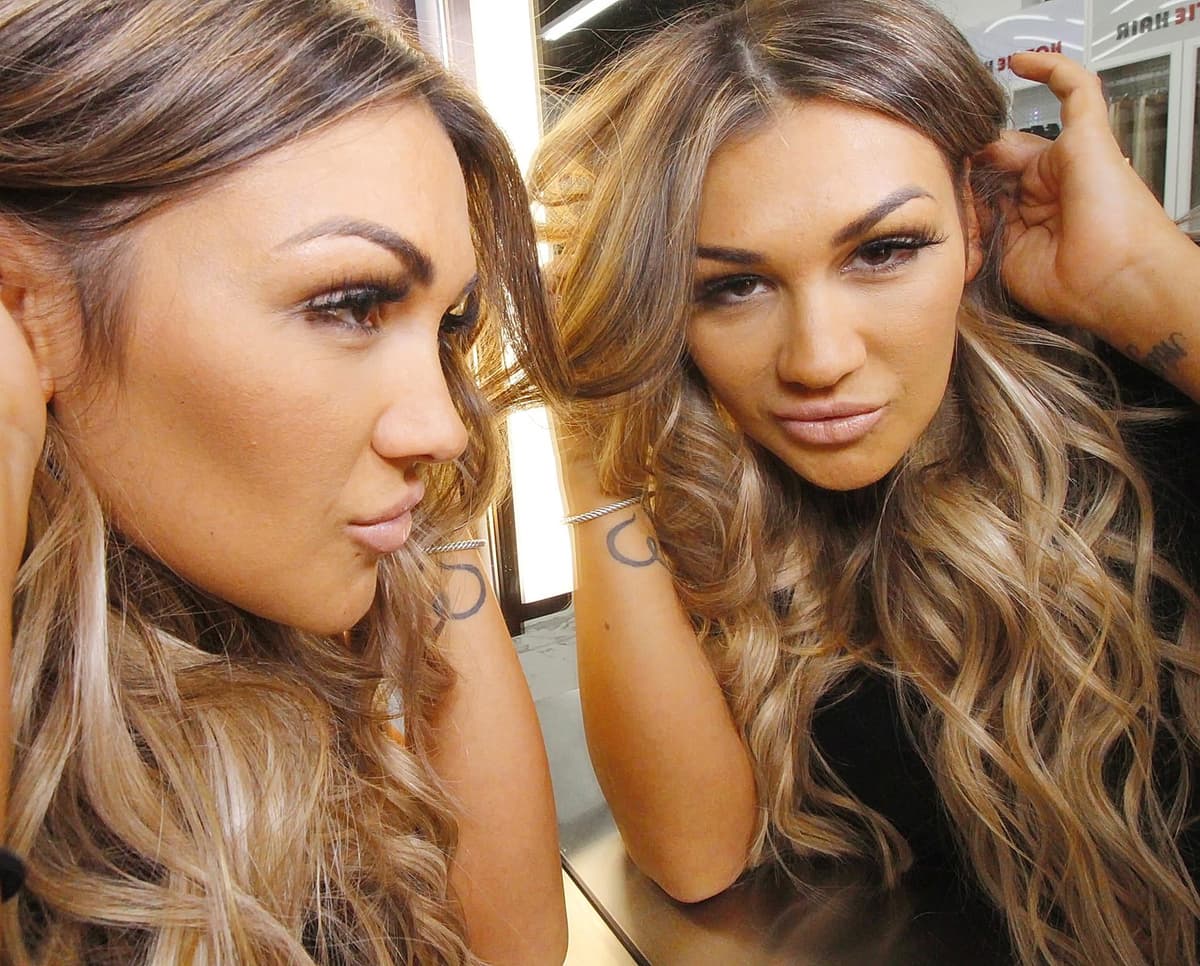
Balayage dimension placed strategically so natural hair and extensions read as one — color-matched in-salon from our $100K+ inventory
The 30-Second Answer
- Balayage first, extensions second is almost always the right order. Color your natural hair to your target look, then install extensions color-matched to the new result.
- Pre-colored (or pre-lightened) extensions are the professional standard. Our in-stock inventory covers every major balayage tone, so you rarely need to color the extensions themselves.
- Coloring extensions directly is possible but risky — they've already been processed at the factory, so they lift unevenly and fade faster than natural hair.
- Balayage OVER existing extensions is fine with weft or tape-in methods if the extensions are real Remy human hair — but only a trained colorist should do it, since misdirected lightener can destroy bonds.
- Maintenance: Plan to refresh extension color roughly every 4-6 months, separately from your natural-hair balayage touch-up schedule.
The Right Order: Balayage, Then Extensions
If you're starting fresh (no existing extensions), book your balayage first — either as its own appointment or stacked back-to-back with your extension install. Reasons:
- Your target color is a moving target until the balayage is done. Matching extensions to "hair you haven't colored yet" is guessing.
- Color application is easier without extensions installed. Lightener moves freely through your natural hair with no bonds, beads, or wefts blocking sections.
- Extensions stay in-tact. Applying lightener to already-installed extensions can weaken bonds (tape, K-tip, I-tip) or dry out wefts.
- The color match happens once the real result is visible. Your stylist brings colored wefts to your freshly-lightened hair and picks the matching blend in person — impossible to do reliably before the balayage.
Typical workflow at Hottie Hair: balayage appointment (3-5 hours — see our 9-step balayage process guide), then either a same-day extension install if time allows or a separate follow-up appointment within 2-4 weeks.
Do You Color the Extensions or Your Natural Hair?
Short answer: color your natural hair, and buy extensions that already match.
Professional salons avoid coloring extensions from scratch whenever possible. Real Remy human hair extensions ship from the factory already processed (cleaned, cuticle-aligned, often pre-toned). Adding more chemistry on top of that processing produces unpredictable results — lift is uneven, tone swings warm or ashy in patches, and the hair's lifespan drops from 6-12 months to 3-6 months.
The professional workflow instead:
- Color your natural hair to the balayage result you want — placement, brightness, and tone locked in.
- Select extensions from in-stock inventory that already match the new tone. Our $100K+ in-stock inventory is specifically sized to give color-match options across every tone balayage commonly produces — honey, beige, ash, platinum, caramel, lived-in brunette, and everything between.
- Install and blend. Stylist cuts and styles to fuse the two color zones.
If the exact tone isn't in stock (rare for us, more common at salons that only carry 10-20 colors), the next-best option is a color gloss on the extensions — a low-commitment toner applied before install. Glosses deposit tone without lifting, so they don't damage the extension hair the way full-bleach coloring does.
Can You Balayage Over Existing Extensions?
Yes, with caveats. The feasibility depends entirely on what method of extensions you already have:
| Extension Type | Balayage Over Them? | Why |
|---|---|---|
| Tape-in | Yes, with care | Lightener near the adhesive can weaken bonds — stylist must keep it away from the tape line |
| Hand-tied weft | Yes | Most flexible method for over-coloring — no adhesive to damage |
| Beaded weft | Yes | Similar to hand-tied — safe if beads are avoided |
| K-tip / fusion | Risky — not recommended | Keratin bonds break down when exposed to lightener — high damage risk |
| I-tip | Yes, with care | Beads are heat-safe, but micro-bonds need protection from product contact |
| Clip-in | Remove first | Take clip-ins out entirely, balayage natural hair, then reinstall color-matched clip-ins |
Critical: if you're coloring over existing extensions, the stylist should:
- Use 20-volume developer at most (never 30 or 40) — extensions have no active cuticle to protect, so stronger peroxide causes immediate breakdown
- Place lightener mid-shaft to ends, keeping it inches away from attachment points
- Process in open air (standard balayage technique) — no heat caps, which would accelerate damage on the already-processed extension hair
- Tone with an acidic, low-commitment demi-permanent — extensions don't hold permanent toner the way natural hair does
- Deep-condition with a bond-builder at the end — extensions are more porous than natural hair after lightening, so they need more moisture recovery
Matching Balayage Color to Pre-Installed Extensions
The reverse scenario — you already wear extensions and want to add or refresh balayage on your natural hair without disturbing them — is common for long-term extension clients. The key: the stylist colors your natural hair between the extension attachment points, keeping lightener off the extension bonds and extension hair itself.
The trickier challenge is matching the new balayage result to your existing extension color. Options:
- Lighten natural hair toward the existing extension tone. Most common — especially if your roots have grown in darker than the extension color.
- Gloss the extensions toward the new natural tone. Works if you're going darker or adjusting warmth, not lifting.
- Replace the extensions at the next scheduled move-up. If the color gap is too wide to bridge with gloss or lift, timing the new color with your next extension appointment is cleanest — new hair, new tone, single match.
Maintenance: Two Separate Color Schedules
Here's the part most clients don't plan for: once you have balayage AND extensions, you have two separate color maintenance schedules.
- Natural hair balayage: Full refresh every 3-4 months, toner/gloss refresh every 6-8 weeks. See our balayage process guide for the aftercare schedule.
- Extension color: Extensions don't "grow out," so your original installed tone stays the same forever unless you replace or re-gloss them. Most clients refresh extension color or swap for fresh wefts every 4-6 months.
- Las Vegas hard water note: Our 550-PPM tap water brings blonde (natural and extension) warmer and brassier faster than humid climates. A metal detox treatment every 2-3 months is worth scheduling if you're a blonde.
Common Mistakes to Avoid
- DIY bleaching extensions you own. Save the money and buy pre-matched wefts. The cost of ruining a full set ($500-$2,500 in hair) exceeds every other fee by 10x.
- Booking balayage with a colorist who doesn't work with extension clients. Ask specifically. Stylists who don't install extensions often don't know how to color around them safely.
- Getting balayage and extensions at different salons. When color goes wrong, everyone blames the other salon. Keep it under one roof.
- Skipping the consultation. A free consultation with before-and-after color match in your hand takes the guessing out of both services.
- Trying for pitch-black to platinum blonde in one session. Multi-session color correction is the right path for extreme lifts; trying to rush it damages natural hair AND extensions.
Ready to Book?
Whether you're starting with a fresh balayage + install or refreshing the combo you already have, our colorists and extension specialists work side-by-side at all three Las Vegas locations: West Charleston (Summerlin), South Maryland (Henderson), and Durango (South Summerlin).
Book a free consultation or call (702) 979-4468. We'll match your extensions to your exact balayage tone before you commit to either service.
Related reading:
- The Balayage Process, Step by Step
- Balayage vs. Highlights: Which Should You Choose?
- Hair Extension Cost Guide
- Virgin vs Remy vs Non-Remy Extensions
Frequently Asked Questions
Visiting Vegas?
See same-day extensions, color, and cut — the full salon experience before you fly home.
Related Articles
Continue reading about color
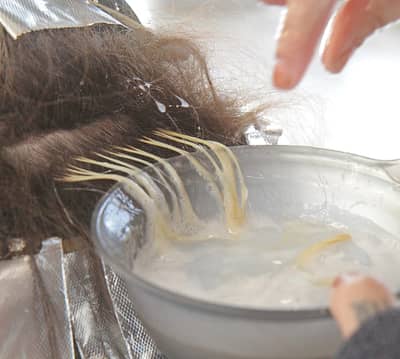
A full 9-step walkthrough of what happens from the moment you sit in the chair to the moment you leave — consultation, sectioning, hand-painting, open-air processing, shampoo, toning, conditioning, cut, and style. Written by a Las Vegas colorist with 20 years behind the chair.

Discover the differences between balayage and traditional highlights in Las Vegas. Expert advice from Henderson and Summerlin colorists on which technique is right for Nevada's climate.

Choosing between ombre and balayage? This comprehensive comparison covers techniques, maintenance, cost, and which works best for Nevada's desert climate from our Henderson and Summerlin colorists.