Hair Porosity Guide: Why It Matters for Color, Extensions & Las Vegas Water
Your hair's porosity determines how it absorbs color, how long extensions last, and how Las Vegas hard water affects it. Learn to identify your porosity type and choose the right products, services, and care routine.
Your hair has a hidden characteristic that affects everything — how it absorbs color, how long your extensions last, how it reacts to Las Vegas hard water, and why some products work for your friend but not for you. It's called hair porosity, and understanding yours is the single most useful thing you can learn about your hair.
At Hottie Hair, our colorists and extension specialists assess porosity at every consultation. It's one of the first things we check because it determines which color formulas, extension methods, and treatments will work best for your hair — and which ones to avoid. This guide teaches you everything our stylists know about porosity so you can make smarter decisions about your hair, whether you're in our chair or at home.
What's Inside This Guide
- What Is Hair Porosity? The Science Made Simple
- Low, Medium & High Porosity: How to Tell Which You Are
- The Float Test & Other Ways to Check Your Porosity
- How Porosity Affects Hair Color Results
- How Porosity Affects Extensions
- Porosity & Las Vegas Hard Water: The Connection Most People Miss
- Product & Care Recommendations by Porosity Type
- Professional Treatments That Change Your Porosity

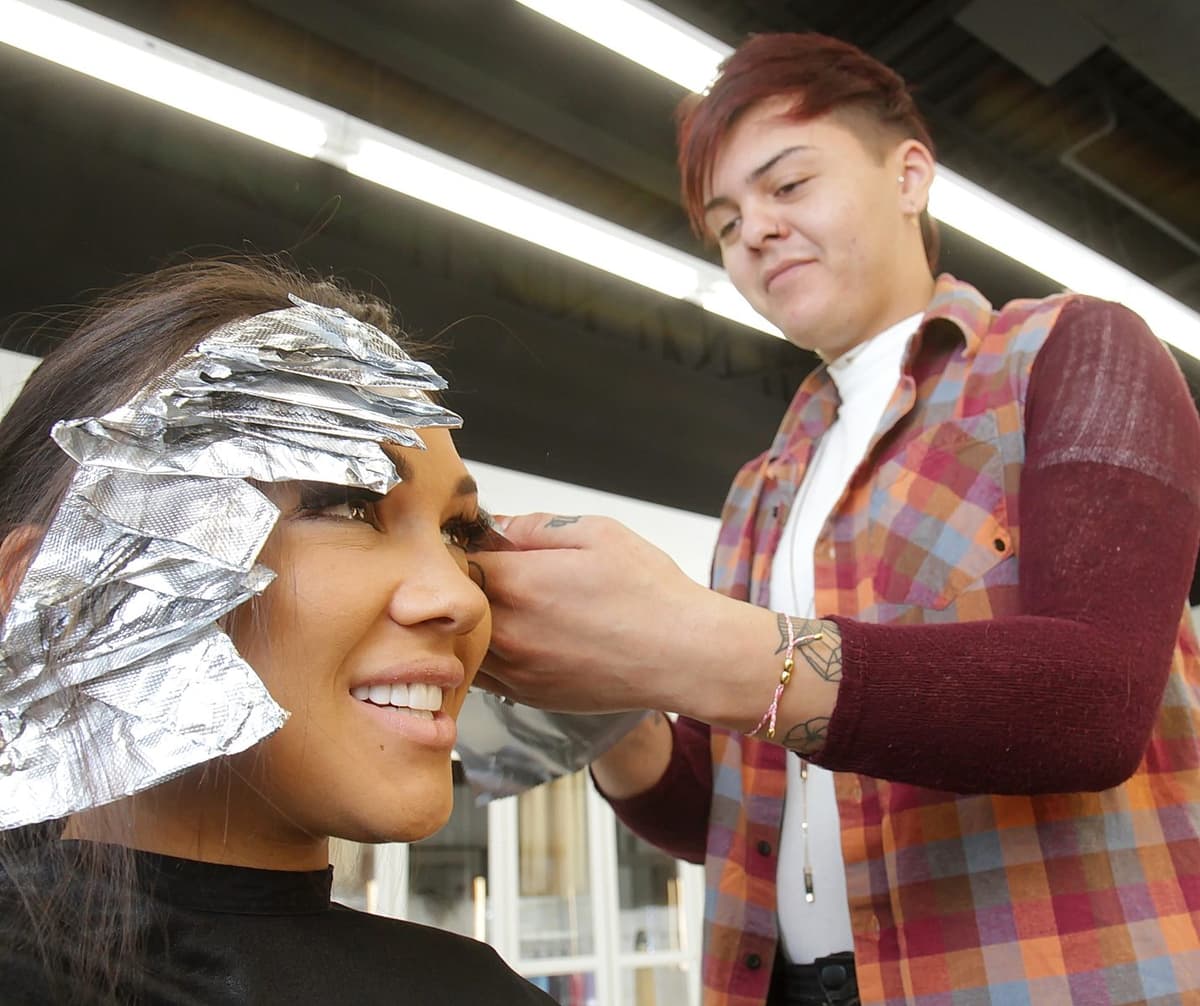
Porosity determines how your hair absorbs color — your colorist factors it into every formula decision.
What Is Hair Porosity? The Science Made Simple
Hair porosity refers to your hair's ability to absorb and retain moisture. It's determined by the condition of your hair's cuticle — the outermost layer made up of tiny, overlapping scales (think shingles on a roof). Hair structure is well documented in dermatology literature; see the American Academy of Dermatology for clinical references on hair anatomy and care.
When those scales lie flat and tight, moisture has a hard time getting in — that's low porosity. When the scales are raised, lifted, or damaged, moisture rushes in but also escapes quickly — that's high porosity. Medium porosity is the sweet spot where the cuticle opens enough to absorb moisture but closes enough to retain it.
Porosity is partly genetic (your natural cuticle pattern) and partly environmental (chemical processing, heat damage, UV exposure, and — critically for Las Vegas residents — hard water mineral buildup). The good news: once you know your porosity type, you can work with it instead of against it.
Key takeaway: Porosity isn't "good" or "bad." Each type simply needs different care, different products, and different professional approaches. The problem isn't your porosity — it's using products and techniques designed for a porosity type that isn't yours.
Low, Medium & High Porosity: How to Tell Which You Are
Low Porosity
Cuticle: Tightly closed
- Takes a long time to get fully wet in the shower
- Products sit on top of hair rather than absorbing
- Hair takes hours to air dry
- Color processes slowly; resistant to lifting
- Prone to product buildup
- Often naturally shiny and smooth
- Hard water minerals sit on the cuticle (easier to remove)
Medium Porosity
Cuticle: Slightly open
- Gets wet at a normal pace
- Absorbs products well without feeling heavy
- Air dries in a reasonable time
- Color takes evenly and predictably
- Holds styles well
- Responds to most products normally
- Easiest porosity type to maintain
High Porosity
Cuticle: Raised or damaged
- Gets wet almost instantly
- Absorbs products fast but dries out quickly
- Air dries very fast (moisture escapes)
- Color absorbs quickly but fades fast
- Prone to frizz, tangling, and breakage
- Often feels rough or straw-like when dry
- Hard water minerals penetrate into the shaft (harder to remove)
Not sure about your porosity? We'll tell you.
During your free consultation, our specialists assess your hair's porosity, texture, density, and condition — then recommend the right color formulas, extension methods, or treatments based on what your hair actually needs.
Book Your Free ConsultationThe Float Test & Other Ways to Check Your Porosity
There are several at-home methods to get a general sense of your porosity. None are 100% definitive (a professional assessment is best), but they'll point you in the right direction.
Method 1: The Float Test
- Take a few clean, product-free strands of hair (wash with a clarifying shampoo first to remove buildup)
- Drop them into a glass of room-temperature water
- Wait 2-4 minutes and observe
Floats on top
= Low porosity
Sinks to middle
= Medium porosity
Sinks to bottom
= High porosity
Method 2: The Spray Bottle Test
Mist a small section of dry, product-free hair with water. Low porosity: water beads up on the surface and takes 30+ seconds to absorb. Medium porosity: water absorbs within 10-20 seconds. High porosity: water absorbs almost instantly (under 5 seconds).
Method 3: The Strand Slide Test
Take a single strand of hair and slide your fingers from tip to root. Low porosity: feels smooth, almost slippery — the cuticle lies flat. High porosity: feels rough, bumpy, or catches on your fingers — the cuticle is raised. Medium: somewhere in between.
Important caveat: If you have product buildup or hard water mineral deposits (common in Las Vegas), these tests may give misleading results. Buildup mimics low porosity even on naturally high-porosity hair. That's why we recommend detoxing with a chelating shampoo before testing — and why a professional assessment in our Henderson, Summerlin, or South Summerlin salon is the most accurate way to know.
How Porosity Affects Hair Color Results
Porosity is arguably the single most important factor in predicting how your color will turn out — and how long it will last. Here's why:
Low Porosity + Color
The tightly sealed cuticle resists color penetration. Color takes longer to process and may need heat (like a hooded dryer) to open the cuticle enough for the pigment to enter. The upside? Once color is in, it stays — low-porosity hair tends to hold color longer because the sealed cuticle traps the pigment inside.
- Tip for low porosity: Your colorist should use a slightly lighter developer and extend processing time. Applying color with heat (hooded dryer) helps the cuticle open. Avoid over-depositing — results can come out darker than expected because pigment sits on the surface.
- Best services: Balayage and foiled highlights work well because foil creates heat that helps open the cuticle naturally.
High Porosity + Color
The raised, damaged cuticle absorbs color rapidly — sometimes too rapidly. The result can be uneven, over-saturated spots next to under-saturated areas. And because the cuticle can't close properly, color fades faster. If you're maintaining blonde hair in Nevada, high porosity is why your toner washes out in two weeks while your friend's lasts six.
- Tip for high porosity: Your colorist may use a filler first (a base layer that fills in the gaps in the cuticle) so the final color deposits evenly. Lower-volume developers prevent over-processing. A post-color bond-repair treatment seals the cuticle and locks in pigment.
- Best services: Color correction specialists understand how to work with damaged cuticles. Glossing treatments add temporary color and seal the cuticle simultaneously.

Foil highlights generate heat that helps open the cuticle — one reason they work especially well for resistant, low-porosity hair.
Medium Porosity + Color
Medium porosity is the Goldilocks zone for color. The cuticle opens enough to accept pigment evenly but retains enough structure to hold it. Processing times are predictable, results are consistent, and color longevity is good. Most standard color formulas are designed with medium porosity in mind — which is why this type tends to have the easiest color experience. Our skin tone and color guide is especially useful for medium-porosity clients since the color results will match expectations closely.
Color Not Lasting? Porosity Might Be Why.
If your color fades fast, takes unevenly, or looks different from what you expected — your porosity is the first thing to investigate. Our colorists assess porosity before every service and adjust formulas accordingly.
Visit us: Henderson • Summerlin • South Summerlin | (702) 979-4468
How Porosity Affects Extensions
Porosity plays a bigger role in hair extensions than most people realize. It affects how well bonds hold, how long extensions last, and how well the extension hair blends with your natural hair.
Bond Adhesion & Hold Time
Low porosity: The smooth, sealed cuticle can make tape-in adhesive less grippy. Your stylist may need to rough up the bond area slightly or use a primer to improve adhesion. On the plus side, low-porosity hair doesn't absorb oils as fast, so bonds tend to last the full 6-8 weeks without slipping.
High porosity: The raised cuticle provides excellent grip for tape-in bonds and keratin fusion (K-tip). But high-porosity hair also absorbs natural oils and products faster, which can break down adhesive bonds earlier. If your tape-ins slip before 6 weeks, high porosity (combined with Las Vegas hard water) is often the culprit.
Extension Hair Matching
Extension hair and your natural hair need to have similar porosity for a natural blend. If you have high-porosity natural hair (frizzy, textured, absorbs moisture fast) and your extensions are low-porosity (smooth, sleek, shiny), the mismatch is visible — your natural hair puffs while the extensions lie flat.
That's why we color-match extensions in person from our $100K+ inventory rather than ordering online. During consultation at our Summerlin or Henderson locations, your stylist matches not just color but texture and porosity — holding the extension hair next to yours to verify the blend before installation.
Best Extension Methods by Porosity
| Porosity | Best Methods | Why |
|---|---|---|
| Low | Beaded weft, I-tip | No adhesive or heat needed — mechanical hold works best on slippery, low-porosity hair |
| Medium | All methods work well | Balanced cuticle grips adhesive, holds bonds, and blends easily |
| High | Hand-tied weft, I-tip | Gentle methods that distribute weight evenly — fragile, high-porosity hair needs less tension |
Porosity & Las Vegas Hard Water: The Connection Most People Miss
Las Vegas water contains 278–397 mg/L of dissolved minerals per SNWA — primarily calcium, magnesium, and iron. That's well into the USGS "very hard" classification. Here's what most people don't realize: hard water affects different porosity types differently, and your porosity determines how aggressively you need to address it.
Low Porosity + Hard Water
Minerals coat the outside of the sealed cuticle, creating a layer of buildup that:
- Makes hair feel waxy, stiff, or heavy
- Blocks moisture from entering (worsens dryness)
- Blocks color from penetrating (uneven results)
- Makes hair look dull despite being "clean"
Good news: Surface buildup is easier to remove with chelating shampoo.
High Porosity + Hard Water
Minerals penetrate into the hair shaft through the open cuticle, causing:
- Internal mineral deposits that weaken hair structure
- Brassiness in blonde hair (iron oxidation)
- Increased breakage and split ends
- Color that fades unevenly as minerals displace pigment
More concerning: Internal deposits require professional metal detox treatments to fully remove.
This is why generic "hard water tips" often don't work — they're not accounting for porosity. A low-porosity person might need chelating shampoo every 2 weeks. A high-porosity person might need chelating weekly plus a shower filter plus professional metal detox treatments every few months. Our complete Las Vegas hair care routine guide covers the full protocol, and our stylists customize it based on your specific porosity.
Get a Porosity-Smart Hair Plan
Your hair's porosity affects everything — color results, extension longevity, product effectiveness, and how Las Vegas water impacts your hair. Our free consultation includes a full porosity assessment and personalized care plan.
Product & Care Recommendations by Porosity Type
Once you know your porosity, you can stop guessing about products and start choosing based on what your hair actually needs. Here are the recommendations our stylists give clients at our Las Vegas locations.
Low Porosity Care
Goal: Get moisture IN
- Use lightweight, liquid-based products. Heavy butters and oils sit on top of low-porosity hair without absorbing. Choose water-based leave-in conditioners and light serums instead.
- Apply products to damp, warm hair. Heat opens the cuticle slightly. Use a warm towel wrap or hooded dryer after deep conditioning to help moisture penetrate.
- Clarify regularly. Low-porosity hair is prone to product buildup. Use a chelating shampoo every 1-2 weeks (essential in Las Vegas).
- Avoid protein overload. Low-porosity hair doesn't absorb protein well — excess protein makes it feel stiff and brittle. Focus on moisture-based products instead.
- Skip heavy oils. Coconut oil, castor oil, and other thick oils coat low-porosity hair without penetrating. If you want an oil, use lightweight argan or jojoba oil sparingly.
Medium Porosity Care
Goal: Maintain the balance
- You have the most flexibility. Most products work well on medium-porosity hair. Focus on maintaining this balance rather than fixing problems.
- Alternate protein and moisture. Use a protein treatment once a month and moisture masks weekly. This keeps the cuticle healthy without overloading in either direction.
- Protect against damage. Medium porosity can shift to high porosity with chemical processing, heat damage, or Nevada's dry climate. Use heat protectant consistently and UV protection spray.
- Chelate every 2 weeks. Las Vegas hard water affects all hair — medium-porosity just handles it better than the extremes. Stay ahead of buildup with regular chelating shampoo use.
High Porosity Care
Goal: Seal moisture IN, close the cuticle
- Layer products: LOC method. Apply in this order — Liquid (leave-in conditioner), Oil (to seal), Cream (to lock). This traps moisture inside the open cuticle.
- Use heavier, richer products. Butters, thick creams, and heavier oils (coconut, shea, avocado) fill gaps in the damaged cuticle and reduce moisture loss.
- Protein treatments are your friend. Protein fills in the gaps in damaged cuticles, temporarily reducing porosity. Use a protein-rich mask every 1-2 weeks.
- Rinse with cold water. Cold water closes the cuticle. Make your final rinse cold — it makes a noticeable difference for high-porosity hair.
- Deep condition weekly. With a heat cap or warm towel. High-porosity hair loses moisture constantly — weekly deep conditioning is maintenance, not a luxury.
- Chelate weekly + shower filter. High-porosity hair absorbs hard water minerals into the shaft. In Las Vegas, you need both a shower filter (daily prevention) and chelating shampoo (weekly removal).
- Sleep on silk/satin. Cotton pillowcases pull moisture from high-porosity hair overnight. Silk or satin reduces friction and moisture loss.
Professional Treatments That Change Your Porosity
While you can't permanently change your genetic porosity, professional treatments can temporarily shift your hair's functional porosity — sealing an open cuticle or helping a resistant cuticle absorb better. Here's how each treatment at Hottie Hair relates to porosity:

Heat from hooded dryers helps open the cuticle during treatments — especially beneficial for low-porosity hair that resists product absorption.
Brazilian Blowout
Best for: High porosity
Coats and seals the cuticle with a keratin-based formula, effectively lowering your functional porosity. Reduces frizz, increases shine, and helps color last longer. The smoothing effect lasts 10-12 weeks — one of the most effective porosity-management treatments available.
Milbon Treatment
Best for: All porosity types
Japanese luxury conditioning system that targets your hair's specific needs — moisture for low porosity, repair for high porosity. The multi-step process delivers nutrients where they're needed most and seals them in. Read our Milbon treatment guide for details.
Metal Detox
Best for: High porosity in Las Vegas
Specifically designed to remove metal and mineral deposits from inside the hair shaft — exactly what high-porosity Las Vegas hair suffers from. Critical before chemical services (color, bleach) to prevent unpredictable reactions with embedded minerals.
Formula 18 Deep Conditioning
Best for: High porosity, damaged hair
Bond-repair and deep moisture treatment that fills in cuticle damage and strengthens the hair shaft from within. Protein + moisture balance makes it especially effective for chemically processed, high-porosity hair.
Your stylist can recommend the right treatment cadence based on your porosity. High-porosity clients in Las Vegas typically benefit from a professional treatment every 4-6 weeks, while medium-porosity clients can extend to every 8-12 weeks. For the full daily-to-monthly care schedule, read our Las Vegas hair care routine guide.
See our transformation gallery →
Real results on every hair type — low, medium, and high porosity clients.
Your Hair Is Unique — Your Care Should Be Too
Porosity is the missing piece of the puzzle for most women. Once you understand yours, everything clicks — the right products, the right services, the right routine. Let our specialists assess your porosity and build a personalized plan. Free consultation, zero obligation.
Visit us: Henderson • Summerlin • South Summerlin | Mon–Sat 10AM–7PM (Durango: Tue–Sat 10AM–6PM)
Visiting Vegas?
See same-day extensions, color, and cut — the full salon experience before you fly home.
Related Articles
Continue reading about haircare
Las Vegas is uniquely challenging for hair — hard water, extreme dryness, intense UV, and pool culture. Here's the complete routine your hair needs: morning, night, weekly, monthly, and seasonal adjustments.
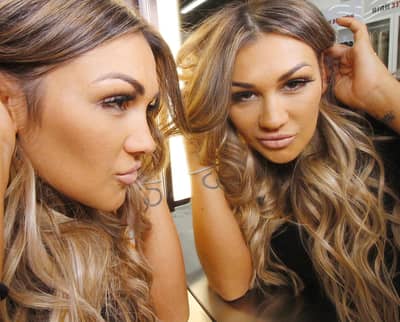
Winter in Las Vegas dries out your hair more than you think. Here's your complete spring reset plan — from repairing winter damage to the freshest spring color trends and extension refresh tips for warmer weather.
New to the valley and your hair suddenly feels different? It's real. A Hottie Hair co-founder explains what the desert does to your hair — the hardest water in the country, bone-dry air, brutal UV, and pool season — and the simple routine reset that fixes it. Plus a quick note for visitors.